You watched the wildebeest cross the Mara River. You had sundowners while a lion pride dozed nearby. Now you’re planning trip two, and you keep asking friends the same question: what’s actually different, and what’s actually worth the extra flight or drive time?
This guide answers that directly: it’s a rundown of the best parks for second Kenya safari trips, each one measured against the Mara experience you already had, not against some generic ranking.
Why look beyond the Maasai Mara for a second trip
The Mara is built for density. Big cats, huge herds, short drives from camp to sighting. It’s brilliant for a first safari, but that same density means more vehicles at every sighting, especially July through October.
A second trip lets you trade some of that density for species you haven’t seen, landscapes that don’t look like anywhere else in Kenya, and camps with a handful of tents instead of forty. You’ll likely drive further or pay a bit more. In exchange, you get quiet.
What changes on your second safari
Three things shift when you move past the Mara: the wildlife list, the terrain, and the crowd size. Samburu’s dry riverbeds and doum palms look nothing like Mara grassland. Laikipia adds rhino tracking and horseback rides. Amboseli trades rolling hills for Kilimanjaro views and dust.
None of this is better or worse. It’s a different Kenya, and that’s the point of going back.
Samburu: the Special Five and real heat
Samburu National Reserve sits about 325 km north of Nairobi, roughly a 6-hour drive or a 1-hour flight into Samburu airstrip. It’s hotter and drier than the Mara, and the Ewaso Nyiro River is often the only water for miles.
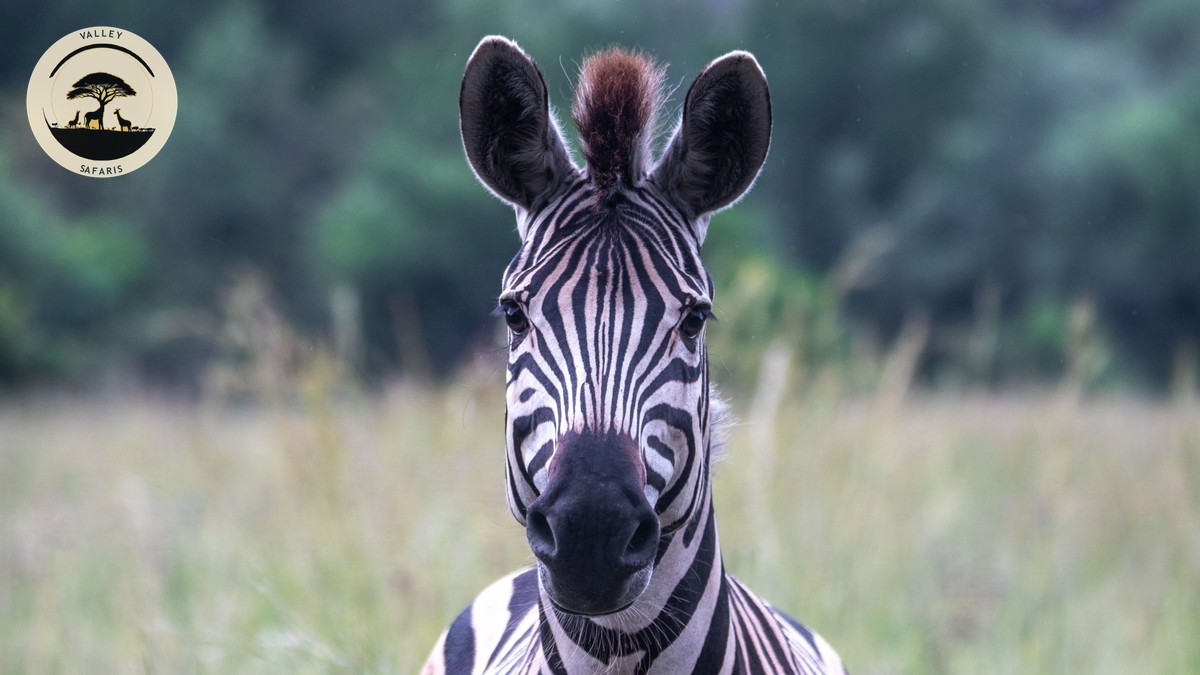
That aridity produces Samburu’s Special Five species: Grevy’s zebra, reticulated giraffe, gerenuk, Somali ostrich, and beisa oryx. None of them live in the Mara ecosystem. Camps like Elephant Bedroom Camp and Saruni Samburu sit right on the riverbank, and elephant families wander through most afternoons.
The trade-off is honest: daytime heat regularly hits 35°C from January to March, and the drive north has rougher stretches past Isiolo. Flying in solves both problems for about $150 to $250 more per person each way.
Amboseli: Kilimanjaro and elephant families
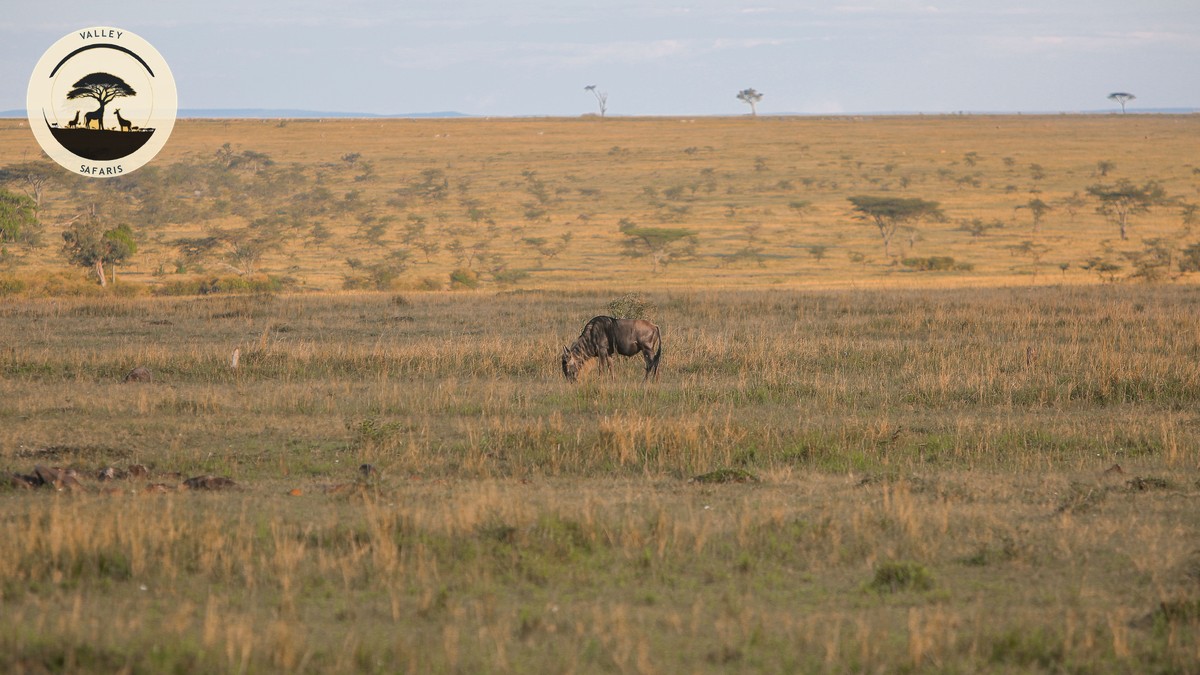
Amboseli National Park is about 240 km southeast of Nairobi, a 4-hour drive or a 45-minute flight. It’s famous for two things the Mara doesn’t have: near-constant views of Mount Kilimanjaro and some of Africa’s most studied elephant families, tracked since the 1970s by the Amboseli Trust for Elephants.
The landscape is dustier and flatter than the Mara, with swamps at its center pulling in game during the dry season. Tortilis Camp and Porini Amboseli Camp both offer views of the mountain most mornings before cloud builds up by midday.
Tsavo East and Tsavo West: space and red elephants
Tsavo East is Kenya’s largest national park, and it feels like it. The Voi gate is about 330 km from Nairobi, roughly 5 hours by road on the Mombasa highway, or a short flight to Voi airstrip.
Tsavo East’s fees, camps, and tips cover this in detail, but the short version is: expect wide open plains, elephants stained red from the local soil, and far fewer vehicles per sighting than the Mara. Satao Camp and Voi Safari Lodge both work well as bases. Tsavo West, across the highway, adds the Mzima Springs underwater hippo viewing chamber and volcanic scenery around Chaimu Crater.
Laikipia: rhinos, horses, and higher prices
Laikipia isn’t one park. It’s a patchwork of private conservancies northwest of Mount Kenya, around Nanyuki, about 200 km and 3.5 to 4 hours from Nairobi by road, or 45 minutes by air.
This is where a second-time visitor gets things the Mara can’t offer: black rhino tracking on foot at Ol Pejeta Conservancy, horseback and camel safaris at Ol Malo, and night drives, which are banned in most national reserves. Sosian and Ol Malo both run under 10 tents, so you’ll often have a sighting to yourself.
The cost is real. Conservancy fees plus lodge rates typically run higher than a Mara or Amboseli stay, often by $50 to $150 per person per night. For a repeat visitor who wants rhino, low crowds, and activities beyond game drives, most guests tell us it’s worth it.
Aberdare, Lake Nakuru, and Meru: the quieter names
Three more parks deserve a mention. Aberdare National Park, about 160 km and 2.5 to 3 hours from Nairobi, is forested highland country built around Aberdare’s tree hotels, The Ark and Treetops, where you watch game visit a floodlit waterhole from a lodge balcony instead of a vehicle.
Lake Nakuru National Park, similarly close at 160 km, is a fenced sanctuary known for rhino and flamingos. Meru National Park, about 280 km northeast, is where Elsa the lioness from Born Free once roamed, and it still sees very few visitors compared to Kenya’s bigger names.
Best parks for second Kenya safari: distance, fees, and crowds
| Park/Conservancy | Distance from Nairobi | Drive time | Nonresident entry fee (indicative, per adult/day) | Crowd level vs Mara |
|---|---|---|---|---|
| Samburu National Reserve | ~325 km | ~6 hrs | ~$100 | Lower |
| Amboseli National Park | ~240 km | ~4 hrs | ~$60-70 | Similar in peak season |
| Tsavo East National Park | ~330 km | ~5 hrs | ~$35 | Much lower |
| Laikipia (Ol Pejeta Conservancy) | ~200 km | ~4 hrs | ~$90 | Lowest |
| Aberdare National Park | ~160 km | ~2.5-3 hrs | ~$50 | Lower |
| Lake Nakuru National Park | ~160 km | ~3 hrs | ~$60 | Lower |
| Meru National Park | ~280 km | ~5 hrs | ~$30 | Lowest |
Fees are indicative 2025 KWS and conservancy rates and change without much notice, so confirm current pricing when you book.
National park vs national reserve vs conservancy, explained simply
This trips up a lot of repeat visitors. A national park, like Amboseli or Tsavo, is run by the Kenya Wildlife Service. Rules are strict: no night drives, no off-road driving, no walking safaris.
A national reserve, like the Maasai Mara or Samburu, is run by the county government. Rules are similar but can flex slightly depending on local management.
A conservancy, like the Laikipia properties or Ol Pejeta, is privately or community owned, often bordering a park or reserve. Conservancies usually allow night drives, walking safaris, and off-road tracking, which is exactly why Laikipia feels so different from your Mara trip.
How many parks to combine
Two parks in 7 to 8 days is the sweet spot for most second-time visitors. Three starts to feel rushed once you count flight or transfer time each way. A workable combination: 3 nights in Laikipia for rhino and walking safaris, then 3 nights in Samburu for the Special Five, connected by a short flight rather than a long drive.
If budget matters more than variety, pair Amboseli with Tsavo East. Both sit off the same Mombasa road corridor, so a road transfer between them takes about 3 hours instead of a flight.
Getting there: road or light aircraft
Road transfers cost less but eat a full day, especially heading north to Samburu or Meru. Light aircraft, run by carriers like Safarilink and AirKenya, connect Nairobi’s Wilson Airport to airstrips near every park mentioned here, usually in 45 minutes to 1.5 hours, for roughly $150 to $300 per person each way.
For a second trip, we usually recommend flying at least one leg. You’ve already done the long game drive to camp on your first Kenya safari. This time, spend that time in the bush instead.
Best time to go for a second safari
June through October gives the best game viewing across Samburu, Laikipia, and Tsavo, with dry conditions pulling animals to permanent water. January and February also work well and see fewer visitors than the July peak. November and April are Kenya’s rainier months, with lush scenery but muddier tracks and some lodges closed for maintenance.
The Valley Safaris Difference
We’ve planned first Kenya safaris and tenth Kenya safaris, and the second one is often the trickiest to get right. Clients arrive already knowing what a good sighting feels like, so a generic itinerary won’t land.
We build second-trip itineraries around what you actually saw the first time. If you spent five days in the Mara chasing cats, we’ll steer you toward Samburu’s dry-country species or Laikipia’s rhino tracking instead of repeating the same sightings in a new location. We know which camps in each conservancy run under ten tents, which airstrips add an hour of dust to your transfer, and which months each region actually earns its price tag. That’s the planning a repeat visitor needs, not another list of nine parks with entry fees attached.
Plan your next Kenya chapter
If Samburu, Laikipia, or Tsavo sound like the right next step, we’d love to help you map it out. Have a look at our Kenya safari tours or get in touch through our contact page and we’ll start building an itinerary around what you’ve already seen and what you’re ready to see next.